



What Is the Blue Economy and How Can We Protect It?
What Is the Blue Economy and How Can We Protect It?


Defining the Blue Economy
The Blue Economy refers to economic activity connected to oceans, seas, and coastal regions that are managed in ways that protect and sustain marine ecosystems. At its core, the concept recognizes that economic growth, environmental stewardship, and social wellbeing are interconnected. The ocean is not simply a space for extraction or transport. It is a living system that regulates climate, supports biodiversity, and sustains communities around the world.
The World Bank defines the Blue Economy as the sustainable use of ocean resources for economic growth, improved livelihoods, and jobs while preserving the health of ocean ecosystems. Similarly, the United Nations has elevated ocean sustainability through Sustainable Development Goal 14, which calls for conserving and sustainably using marine resources. These frameworks emphasize that the blue economy is not about expanding ocean industries at any cost; it is about ensuring those industries operate within ecological limits.
The Economic Importance of the Ocean
The scale of the Blue Economy is vast. Oceans support fisheries and aquaculture that provide a primary source of protein for billions of people. Maritime shipping carries the majority of global trade, forming the backbone of international commerce. Coastal tourism drives economic activity in communities across the globe. Emerging sectors such as offshore wind, tidal energy, and marine biotechnology are also growing rapidly as nations invest in low carbon and innovative industries.
Taken together, ocean-related industries contribute trillions of dollars to the global economy each year. For many small island states and coastal nations, these industries are not supplemental, they are foundational for employment, food security, and public revenue.
Environmental Pressures and Risks
Despite its economic value, the ocean is under significant stress. Overfishing has reduced fish stocks in many regions, threatening both ecosystems and livelihoods. Plastic pollution and nutrient runoff degrade marine habitats and harm wildlife. Climate change is warming ocean waters, causing coral bleaching, shifting species distributions, and contributing to sea level rise.
When marine ecosystems decline, economic systems follow. Fisheries collapse, tourism suffers, and coastal infrastructure becomes more vulnerable to storms and erosion. The blue economy framework emerged in response to these pressures and acknowledges that long-term economic stability depends on ecological health.
Innovation and Opportunity
A sustainable blue economy is not only about limiting harm, but also about unlocking innovation. Advances in satellite monitoring and marine data analytics are improving transparency and enforcement in fisheries management. New aquaculture methods are being developed to reduce environmental impacts while increasing food production. Offshore renewable energy technologies are expanding as countries seek alternatives to fossil fuels.
Researchers are exploring marine biotechnology for pharmaceuticals, materials science, and industrial applications. Entrepreneurs are investing in ocean-based carbon sequestration and coastal resilience projects. These innovations demonstrate that environmental protection and economic opportunity can reinforce one another when guided by strong governance and scientific insight.
Governance and Global Cooperation to Protect the Blue Economy
Protecting the blue economy requires coordinated action. Governments must establish clear regulations, enforce environmental protections, and invest in scientific research. Effective fisheries management, marine protected areas, and pollution controls are central components of sustainable ocean governance.
International cooperation is especially important in areas beyond national jurisdiction, where governance can be fragmented. Financial institutions and private investors also play a role by directing capital toward sustainable enterprises and away from destructive practices. Equally important is the inclusion of coastal communities and Indigenous groups in decision making processes, as they are often the most directly connected to marine resources.
A Shift in Mindset
Ultimately, the blue economy represents a shift in how we think about growth. It challenges the assumption that natural systems are infinite and instead places ecological boundaries at the center of economic planning. It connects climate resilience, biodiversity protection, and job creation into a single framework.
Protecting the blue economy is not only about preserving marine life. It is about safeguarding global food systems, stabilizing trade networks, accelerating clean energy transitions, and supporting the wellbeing of coastal populations. As pressures on the ocean intensify, the need for integrated and sustainable approaches becomes more urgent.
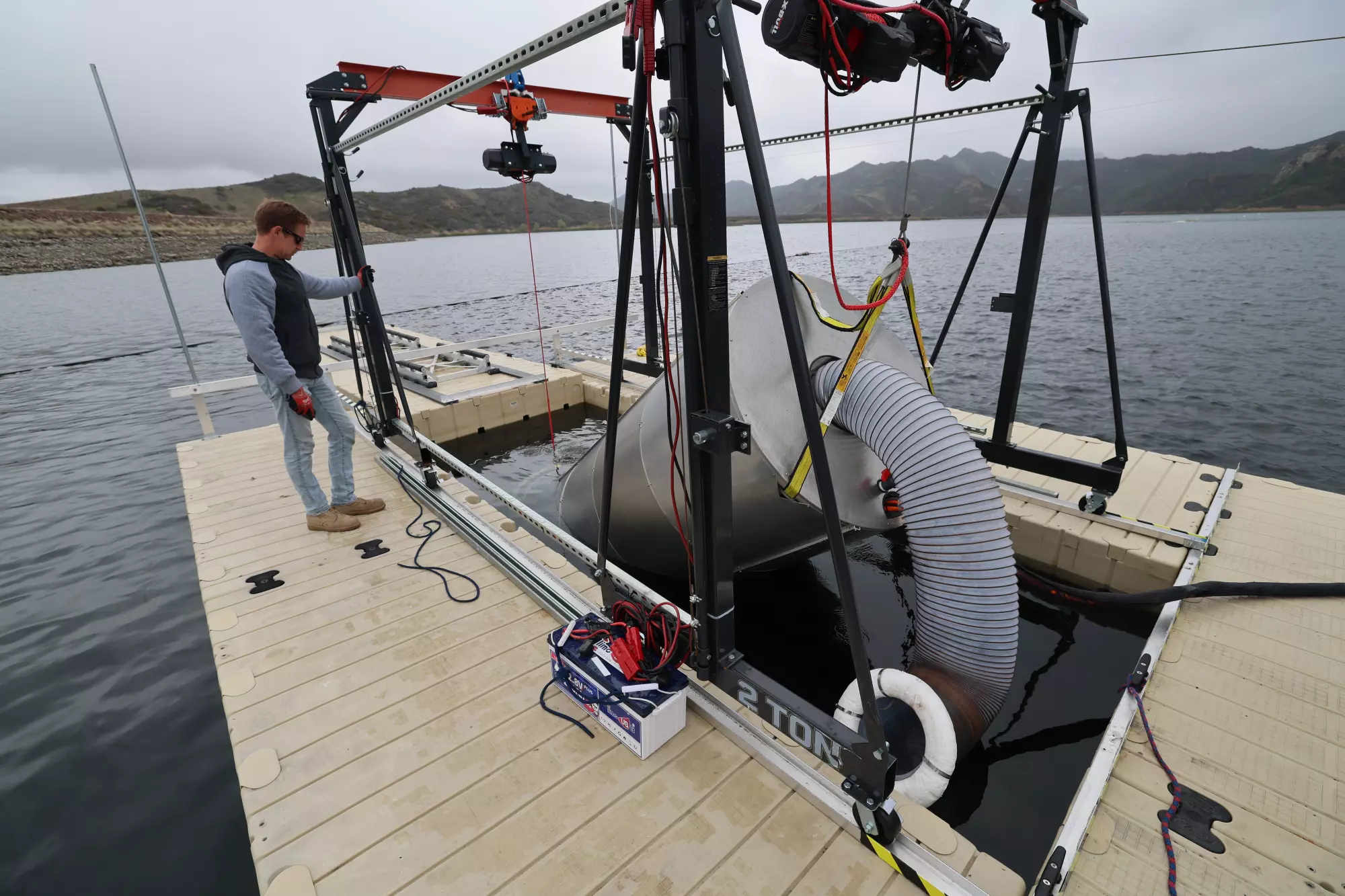
Understanding what the blue economy is provides a foundation. Acting on that understanding will determine whether it becomes a transformative model for improving planetary health. OceanWell is committed to becoming a key pillar of the Blue Economy, by contributing to the health of our oceans and supporting adjacent technologies that will do the same.
Frequently Asked Questions
What are the three pillars of the Blue Economy?
The Blue Economy recognizes three pillars of sustainability: environmental, economic, and social. These pillars ensure that ocean-related economic activities generate value while protecting marine ecosystems and supporting communities.
How is the Blue Economy different from the Ocean Economy?
The ocean economy includes all economic activities tied to the ocean, such as shipping, fishing, and offshore energy. The blue economy emphasizes sustainable and responsible use of ocean resources while protecting marine ecosystems.
How can businesses participate in the Blue Economy?
Companies can contribute to the Blue Economy by investing in sustainable ocean technologies, reducing marine pollution, supporting responsible supply chains, and aligning operations with ocean sustainability goals.
How does water security relate to the Blue Economy?
Water security is closely tied to the health and responsible use of ocean resources. As freshwater scarcity increases around the world, oceans are becoming an important supplemental source of drinking water through desalination technologies. When developed responsibly, ocean-based water solutions can help support growing populations while reducing pressure on rivers, lakes, and groundwater systems.
What role does desalination play in the Blue Economy?
Desalination can play an important role in the Blue Economy by transforming seawater into freshwater for communities facing water shortages. Advances in desalination technology are helping reduce energy use and environmental impacts, making it a more sustainable way to diversify water supplies in coastal regions. When integrated with careful ocean stewardship, desalination can contribute to long-term water resilience.
References
World Bank. What is the Blue Economy?
https://www.worldbank.org/en/news/infographic/2017/06/06/blue-economy
United Nations. Sustainable Development Goal 14 Life Below Water
https://sdgs.un.org/goals/goal14
United Nations Departmentof Economic and Social Affairs. Making Waves for the Blue Economy
https://www.un.org/en/desa/making-waves-blue-economy
European Commission. Sustainable Blue Economy
https://oceans-and-fisheries.ec.europa.eu/ocean/blue-economy/sustainable-blue-economy_en
United Nations EnvironmentProgramme. Sustainable Blue Economy
https://www.unep.org/explore-topics/oceans-seas/what-we-do/sustainable-blue-economy




Heading