




Desalination and Innovation: Spain’s Fight Against Water Shortages
Desalination and Innovation: Spain’s Fight Against Water Shortages


Desalination and Innovation: Spain’s Fight Against Water Shortages
Spain is facing a defining environmental challenge. Water shortage and the growing intensity of drought are no longer temporary crises but structural realities shaping the country’s future. From shrinking reservoirs in Catalonia to long-term declines in rainfall across the Iberian Peninsula, the pressure on water systems is forcing Spain to rethink how it sources, manages, and secures water.
A Country Living with Chronic Water Stress
Water scarcity is not new to Spain, but climate change has accelerated its severity and frequency. Southern Europe is one of the most vulnerable regions, with droughts becoming more intense and persistent. According to the European Environment Agency, water scarcity already affects large portions of Europe each year and is expected to worsen.
Spain sits at the center of this water crisis. Regions like Andalusia and Catalonia have experienced repeated drought cycles, with millions of people facing water restrictions in recent years. These conditions are not just environmental but economic and social, impacting agriculture, tourism, and urban life. Agriculture alone accounts for the majority of water use in Spain, intensifying pressure on already limited supplies.
Catalonia has become a symbol of this struggle. Reservoir levels have dropped to critically low levels during recent drought periods, forcing strict water usage limits for residents, farmers, and industries. In some cases, drought conditions have lasted years, highlighting the shift from short-term weather events to long-term water insecurity.
Climate Change and the Future of Water in Spain
Rising temperatures, reduced precipitation, and more erratic weather patterns are reshaping the country’s hydrological cycle. Spain now experiences extremes on both ends, with severe droughts followed by intense flooding, a pattern that underscores the instability of its water systems. https://www.bbc.com/news/articles/cz7wvpyewxlo
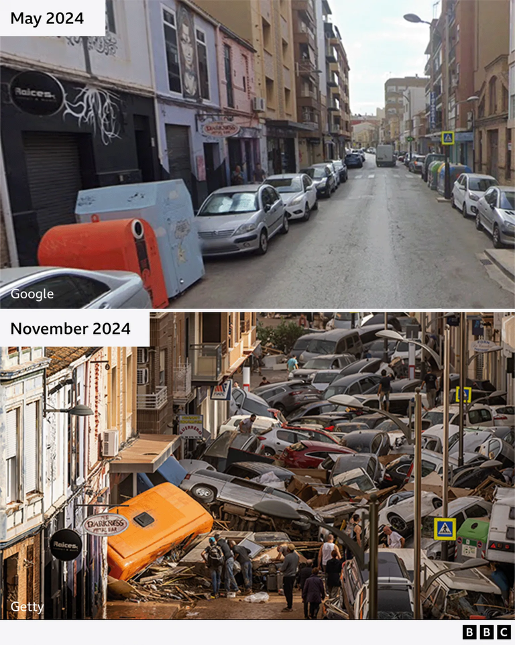
The European Environment Agency warns that water scarcity and droughts are becoming more widespread and frequent across the continent, particularly in Mediterranean regions like Spain. This means that traditional water sources such as rivers, reservoirs, and groundwater will become less reliable over time.
This raises urgent questions about how the country will sustain its population, economy, and ecosystems in an increasingly water-constrained future.
Desalination as a Strategic Solution
In response to the growing water shortage in Spain, desalination has emerged as a critical part of the solution. Unlike rainfall-dependent sources, desalination provides a climate-resilient supply of water by converting seawater into potable water.
Spain is already a global leader in desalination technology, with numerous plants operating along its coastline. In regions like Catalonia, desalination has become essential for maintaining water supply during prolonged droughts. Recent innovations, including floating desalination plants and mobile units, demonstrate how quickly this technology can be deployed in times of crisis.
Desalination offers several key advantages. It provides a reliable and consistent water source regardless of weather conditions. It reduces dependence on overdrawn rivers and aquifers. It also supports urban centers and coastal economies that cannot rely solely on traditional water systems.
However, traditional desalination is not without challenges. It requires significant energy input and investment, raising concerns about cost and environmental impact. As a result, Spain is increasingly integrating desalination with renewable energy and broader water management strategies to improve sustainability. Emerging technologies like OceanWell could play a transformative role in this shift by dramatically lowering energy consumption and minimizing environmental disruption compared to traditional coastal plants. For a country like Spain, particularly in water-stressed coastal regions such as Catalonia, this type of innovation could provide a more sustainable, scalable solution that aligns with both climate goals and long-term water security.
OCEANWELL & ITS CONTRIBUTION TO ENHANCING WATER RESILIENCE IN EUROPE
Ensuring reliable access to freshwater is becoming an increasing challenge across Europe as water resources are unevenly distributed and supply disruptions become more frequent. Traditional freshwater sources are under growing pressure from climate change, rising demand, and pollution, promoting the European Water Resilience Strategy to position water security as a critical issue for economic stability, environmental protection, and crisis preparedness. Strengthening Europe’s water resilience requires expanding the portfolio of available water resources and developing non-conventional supply solutions that can provide a stable buffer against climate-driven scarcity.
Water reuse has been explored in the EU, including through regulations governing the reuse of treated wastewater for agricultural irrigation. While reuse can play an important role in water management, it remains a finite resource and is often constrained by high treatment costs, high energy use, intensive land use, and social stigma.
As water scarcity intensifies, traditional desalination has been deployed more widely across Europe, particularly in the south. However, conventional desalination technologies remain energy-intensive and can raise environmental concerns, including impacts on the marine ecosystem and brine discharge. For this reason, the European Water Resilience Strategy highlights the importance of advancing new, innovative approaches that can sustainably harness seawater while reducing energy use and mitigating environmental impacts.
OceanWell’s solution is fully aligned with this strategic direction. By advancing new approaches to seawater desalination that aim to improve efficiency while minimizing environmental impacts, OceanWell seeks to contribute to Europe’s broader efforts to strengthen long-term water resilience and diversify reliable sources of freshwater supply.
Innovation Beyond Desalination
While desalination is central, it is only one piece of Spain’s evolving water strategy. The country is also investing in water reuse, improved irrigation efficiency, and smart water management systems. These innovations aim to reduce demand while maximizing the efficiency of existing resources.
In agricultural regions, modern irrigation techniques are helping reduce water consumption while maintaining productivity. Urban areas are adopting water recycling systems that treat and reuse wastewater. Digital tools and data-driven management are improving how water is allocated and conserved across sectors.
The European Environment Agency emphasizes the importance of long-term, sustainable water management practices to address water scarcity. Spain’s approach reflects this, combining technological innovation with policy reform and conservation efforts.
What This Means for Spain’s Water Future
Spain’s experience offers a glimpse into the future of water management in a warming world. The country is transitioning from reactive crisis management to proactive resilience planning.
Desalination will likely play an even larger role in securing Spain’s water supply, especially in coastal and densely populated regions, making it an even higher priority that it is done sustainably. At the same time, reducing water demand and improving efficiency will be critical to balancing the system.
The reality is clear. Water shortage in Spain and ongoing drought in Spain are not temporary disruptions but long-term challenges that require systemic solutions. Spain’s investment in desalination and innovation shows how countries can adapt, but it also highlights the scale of transformation needed to ensure water security in the decades ahead.
References
European Environment Agency. Water scarcity conditions in Europe
https://www.eea.europa.eu/en/analysis/indicators/use-of-freshwater-resources-in-europe-1
European Environment Agency. Europe’s state of water 2024
https://www.eea.europa.eu/en/analysis/publications/europes-state-of-water-2024
European Environment Agency. Drought and water scarcity impacts
https://climate-adapt.eea.europa.eu/en/observatory/topics/health-impacts/drought-and-water-scarcity
IDDRI. Smart water management in Europe: lessons from Spain
https://www.iddri.org/en/publications-and-events/blog-post/smart-water-management-europe-lessons-spain-frugality-adaptation
Real Instituto Elcano. Spain’s stressful water problem
https://www.realinstitutoelcano.org/en/commentaries/spains-stressful-water-problem/




Heading


