



Innovating for a Sustainable Blue Economy
Innovating for a Sustainable Blue Economy


Innovating for a Sustainable Blue Economy
For decades, space was celebrated as “the final frontier”, the vast, uncharted realm that captured imaginations and drove innovation. Today, however, a new frontier is emerging right here on Earth: the ocean. Covering over 70% of our planet, and holding 97% of Earth’s water, the ocean holds vast potential for energy, data infrastructure, food systems, and climate solutions. As we confront climate change and the global demand for sustainable growth, the Blue Economy is rapidly taking center stage.
What is the Blue Economy and Why Does It Matter?
The Blue Economy refers to the sustainable use of ocean, coastal, and freshwater resources to support economic growth, jobs, and livelihoods while protecting the health of marine ecosystems. In simple terms, it’s about benefiting from the ocean, through food, energy, transport, and innovation, without damaging the natural systems that make those benefits possible.
From fisheries and shipping to renewable energy and coastal tourism, ocean-based industries generate significant economic value while supporting social well-being. Yet growing pressures from climate change, pollution, and resource overexploitation are placing marine ecosystems under unprecedented strain. These challenges underscore the growing importance of the Blue Economy—not only as an engine of economic growth, but as a critical system that must be managed responsibly to ensure long-term resilience and equity.
Emerging Technologies Transforming the Blue Economy
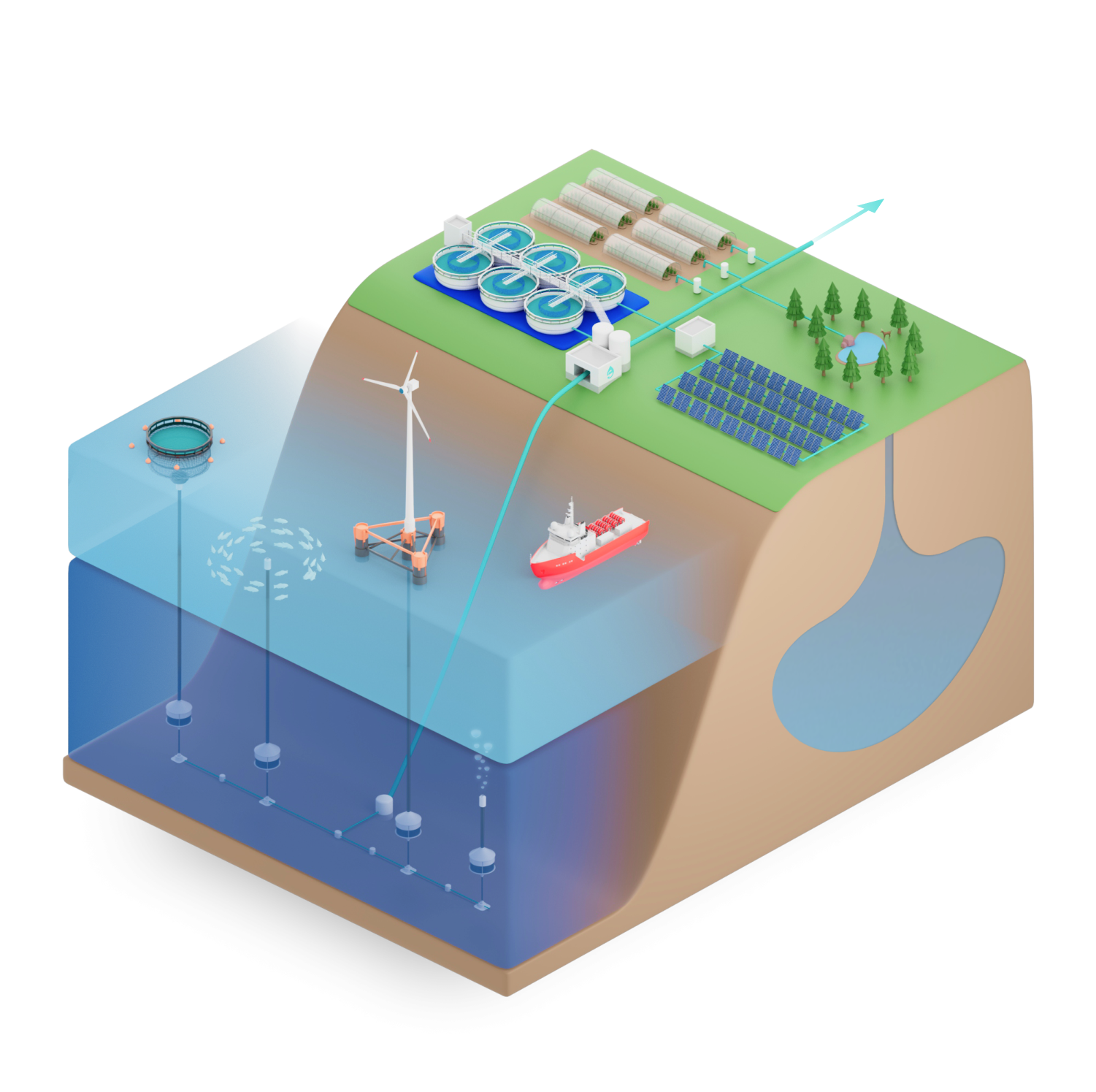
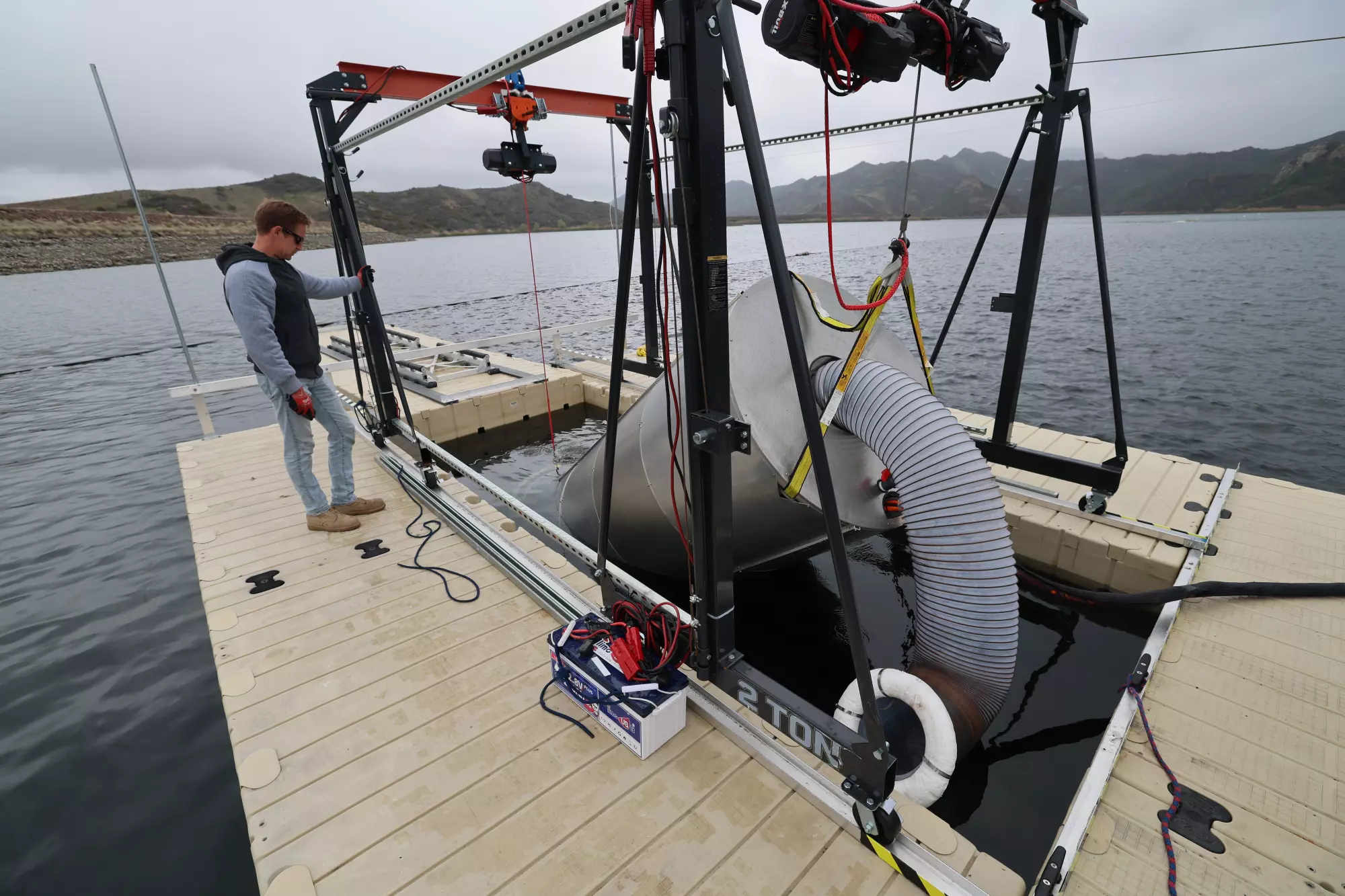
Innovating a sustainable Blue Economy offers a powerful pathway to reconcile economic ambition with ocean stewardship. We are entering a new era where technologies that once seemed futuristic are becoming foundational to our economic and environmental future. From offshore energy generation to carbon capture, subsea data infrastructure and regenerative aquaculture, the Blue Economy is creating opportunities that are both profitable and planet positive. As one new technology emerges, it opens the door for others that wouldn't have been feasible 10 years ago. OceanWell typifies this, and it intends to form a natural and essential pillar of the Blue Economy because it both protects the ocean and offers an offshore infrastructure that supports adjacent technologies. Meanwhile, on the coast, a sustainable new freshwater supply supports economic growth across almost every sector.
Powering the Future: Offshore Clean Energy
To decarbonize the global energy system, we must tap into renewable resources at a scale. Offshore wind power, which utilizes the strength and consistency of ocean winds via turbines, has faced challenges but already supports energy portfolios in Europe, the U.S., and Asia, offering abundant, reliable clean power. Alongside wind, we're seeing strong growth in floating solar, wave, tidal and Ocean Thermal Energy Conservation (OTEC) in some regions.
Offshore nuclear powergenerates electricity using nuclear reactors deployed on or beneath ocean-based platforms, such as floating or subsea installations, to provide reliable, carbon-free energy near coastal or offshore demand centers. By co-locating diverse energy technologies offshore, we can build resilient, hybrid energy hubs that reduce strain on terrestrial grids and minimize land footprint.
Subsea Data Centers: The Next Digital Infrastructure Wave?
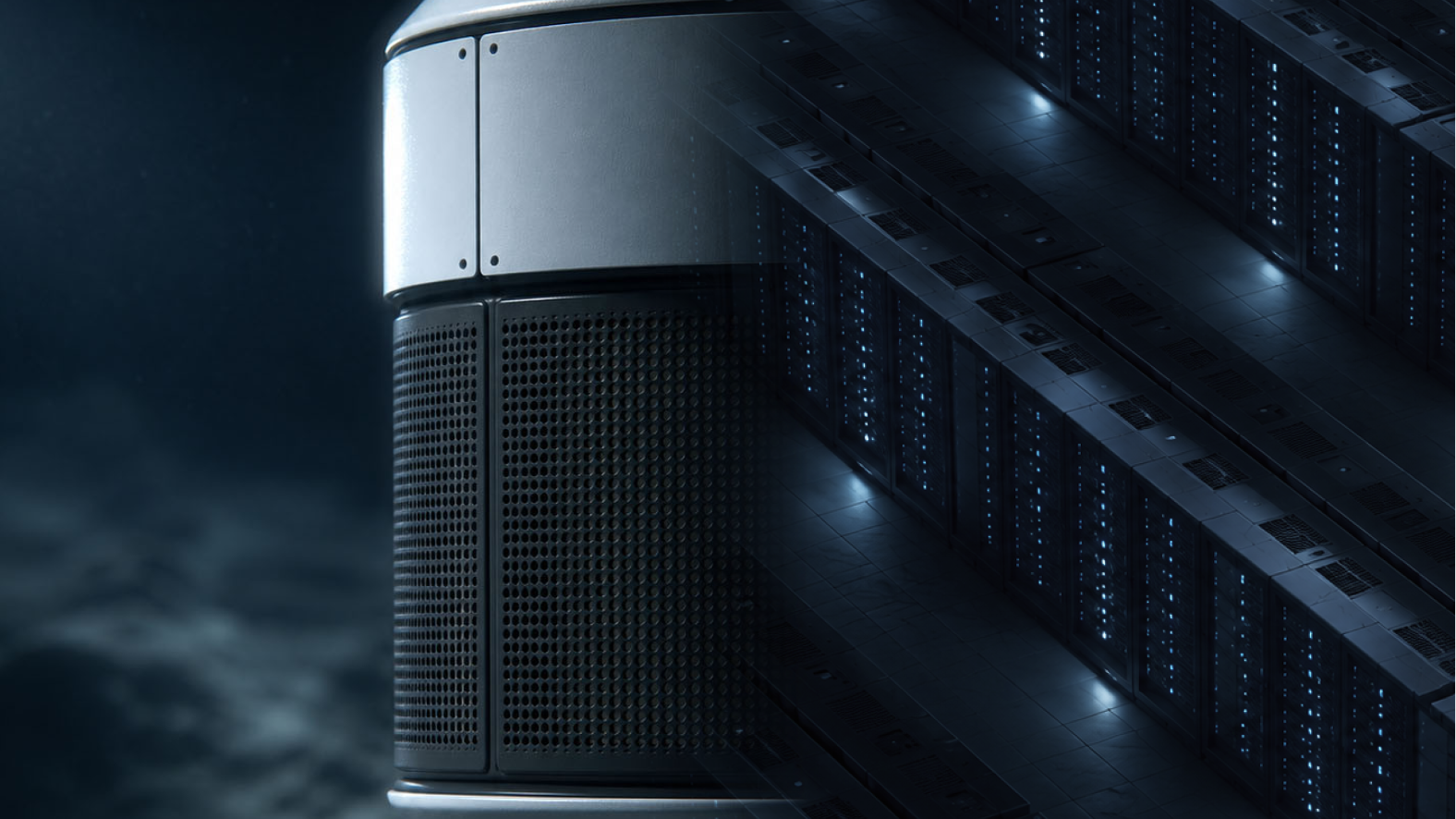
The explosion of digital demand has created a need for more data centers but traditional facilities need substantial cooling energy often in arid areas. Enter subsea data centers, a disruptive solution that places computing infrastructure underwater, benefiting from natural cooling and proximity to subsea fiber optic networks. Subsea Cloud, for example, is pioneering this concept by deploying modular, underwater data centers that reduce cooling costs and enable carbon-optimized digital infrastructure. This underwater approach not only drives sustainability but also reimagines how data networks are architected in an ocean-centric world.
Aquaculture: Feeding a Growing Population Sustainably
As wild fish stocks face pressure, aquaculture, the farming of fish, shellfish, and seaweed, is essential to meeting future protein demand without further stressing marine ecosystems. Sustainable aquaculture integrates innovative systems that minimize feed waste, reduce environmental impact, and enhance local economies. Seaweed farming, for example, can sequester carbon and create habitat, while integrated multi-trophic aquaculture (IMTA) systems mimic natural ecosystems to boost productivity and resilience.
Carbon Capture from the Ocean
In addition to energy and food systems, ocean climate tech is rapidly evolving. Companies like Captura are developing technologies that directly remove carbon dioxide from seawater, accelerating the ocean’s natural capacity to absorb carbon and helping mitigate climate change at scale. Complementary innovations like this demonstrate the breadth of opportunity within the Blue Economy from carbon capture to regenerative food systems and beyond.
How Water-Tech Innovators Can Complement OceanWell
OceanWell and other mission-driven water tech organizations sit at the intersection of the water-energy nexus. By partnering with companies across the Blue Economy ecosystem from offshore renewables developers to subsea data pioneers, OceanWell can help build integrated solutions that advance ocean health and human prosperity together. Collaboration across these sectors create multiplier effects through the full chain.
The ocean is no longer a distant frontier; it is our next frontier for sustainable innovation, supporting all life on earth.
References
World Bank – What Is the Blue Economy?
https://www.worldbank.org/en/programs/blue-economy
OECD – Rebuilding Ocean Economy: The Future of Ocean-Based Industries
https://www.oecd.org/ocean/topics/ocean-economy
International Energy Agency (IEA) – Offshore Wind Outlook
https://www.iea.org/reports/offshore-wind-outlook-2019
U.S. Department of Energy – Advanced Nuclear Reactors and Small Modular Reactors
https://www.energy.gov/ne/articles/what-are-small-modular-reactors-smrs
Microsoft Research – Project Natick: Underwater Data Centers
https://www.microsoft.com/en-us/research/project/project-natick
Subsea Cloud – Subsea Data Center Infrastructure
https://www.subseacloud.com
Food and Agriculture Organization (FAO) – The State of World Fisheries and Aquaculture
https://www.fao.org/fishery/en
Captura – Direct Ocean Capture of CO₂
https://www.xprize.org/people/captura
National Oceanic and Atmospheric Administration (NOAA) – Blue Economy and Ocean-Based Industries
https://www.noaa.gov/blue-economy



Heading