



The Future of Water Supply and Its Global Impact
The Future of Water Supply and Its Global Impact


The Future of Water Supply and Its Global Impact
Water has historically been treated as a relatively inexpensive and abundant public resource in many parts of the world. However, a growing body of research suggests that this assumption will not hold in the coming decades. Rising populations, climate change, agricultural demand, and urbanization are rapidly reshaping global water availability. By 2050, global water demand may exceed supply by as much as 40 percent, while billions of people could experience periodic water shortages each year.
The future of water supply will not only affect ecosystems and agriculture but also the economic systems that determine how water is priced and distributed. As freshwater becomes more limited, water pricing structures, migration patterns, and public perceptions of water scarcity are likely to shift dramatically. Exploring potential scenarios of a water-scarce world helps illuminate how societies may adapt to this critical challenge.
A familiar phrase in the water industry comes from Benjamin Franklin, who wrote in Poor Richard’s Almanack: “When the well’s dry, we know the worth of water.” Centuries later, the insight feels increasingly urgent as societies around the world confront the intertwined challenges of water scarcity, mitigation, and adaptation.
The Future of Water Supply in a Changing Climate
Global freshwater availability is expected to decline in many regions as climate change alters rainfall patterns, accelerates glacier loss, and increases the frequency of droughts. Population growth compounds these pressures. The global population is expected to approach 9.8 billion by 2050, placing increasing demand on water resources used for agriculture, industry, and municipal consumption.
Water scarcity is already affecting more than 40 percent of the global population, and that number could reach two thirds of humanity by mid-century. Many of the most vulnerable regions are expected to include North Africa, the Middle East, South Asia, and parts of the western United States. By 2050, approximately five billion people may experience water shortages at least one month each year.
These pressures create conditions for what analysts increasingly call the future water crisis. In such a scenario, water availability becomes less predictable, infrastructure costs increase, and governments must choose how to balance economic growth with environmental sustainability.
Future Cost of Water and Pricing Scenarios
One of the most significant changes in a water-scarce world will likely be the cost of water. Historically, water utilities have kept prices relatively low through public subsidies and infrastructure investments. As scarcity intensifies, maintaining these systems may become more expensive.
In regions where governments continue to subsidize water, consumers may experience moderate price increases while the true cost of water infrastructure is absorbed through public spending. This scenario may maintain political stability but could place significant pressure on public budgets. Governments may fund pipeline upgrades, desalination plants, water recycling systems, and long-distance water transfers to stabilize supply.
In contrast, regions that reduce subsidies may experience dramatic price increases. Water pricing could increasingly resemble energy markets, where scarcity directly affects consumer costs. Infrastructure investments, drought conditions, and environmental regulations could all drive up the price of water. Some projections already suggest that household water bills in certain developed countries could more than triple by 2050 as utilities invest heavily in new supply systems and climate adaptation.
Such pricing shifts could transform water from a basic low- cost utility into a more carefully managed commodity. Higher prices may encourage conservation and technological innovation but could also raise concerns about equity and access.
OceanWell has collaborated with the Boston Consulting group on a study that explores the complexities of the value of water. Together we’ve developed a framework to more accurately price water, ultimately helping to mitigate climate risks and fully realize its economic, social and environmental benefits.
Agricultural Migration and the Geography of Farming
Agriculture currently accounts for roughly 70 percent of global freshwater withdrawals, making it the largest user of water resources. As water scarcity intensifies, farming practices and agricultural geography may shift significantly.
Regions that depend heavily on groundwater or declining river systems may become less viable for large scale agriculture. Crop production in water stressed areas could decline by 10 to 25 percent by 2050 if adaptation strategies are not implemented.
As a result, farms may gradually migrate toward regions with more reliable water supplies. Areas with abundant rainfall, sustainable aquifers, or advanced water recycling systems could become the new centers of agricultural production. This shift may alter global food supply chains, agricultural employment, and land values.
In some cases, governments may actively encourage this transition by investing in water efficient agriculture or relocating water intensive crops to regions where water availability is more stable. Countries that fail to adapt may face declining food production and increased reliance on imported food.
Population Migration and Water Scarcity
Water scarcity has historically influenced human settlement patterns, and future scarcity could intensify this trend. Some projections estimate that between 700 million and 1.8 billion people could be displaced by water scarcity by 2050.
Migration patterns may increasingly follow water availability. Cities and regions with reliable water infrastructure, desalination capacity, or favorable climates could attract new residents. Meanwhile, communities facing severe drought or groundwater depletion may experience population decline.
Urban areas are particularly vulnerable to these shifts. Urban water demand is expected to increase dramatically as cities expand, potentially leading to competition between municipal use, agriculture, and industry. As water becomes a limiting factor for economic growth, regions with secure water supplies may gain strategic advantages.
Changing Consumer Perception of Water Scarcity
In regions experiencing frequent droughts or water restrictions, consumers may begin to view water as a limited and valuable resource. This shift could encourage widespread conservation practices such as water efficient landscaping, greywater reuse, and reduced household consumption.
Technological innovation may also influence perception. Smart water meters, real time usage tracking, and dynamic pricing models could make water consumption more visible and financially tangible. As a result, consumers may become more conscious of water use in the same way that many households now monitor electricity consumption.
Public awareness may also grow as water scarcity begins to affect food prices, economic stability, and regional development. The global water crisis may become not only an environmental issue but also a central economic and political concern.
The future of water supply will likely be shaped by a complex interaction of climate change, population growth, economic policy, and technological innovation. As freshwater resources become increasingly scarce, societies will face difficult choices about how water is priced, allocated, and managed.
Water pricing may rise significantly in some regions, particularly where infrastructure investments and climate adaptation are required. Agricultural production may migrate toward water secure regions, reshaping global food systems. Population movements may follow similar patterns, with communities relocating toward areas where water supplies remain reliable.
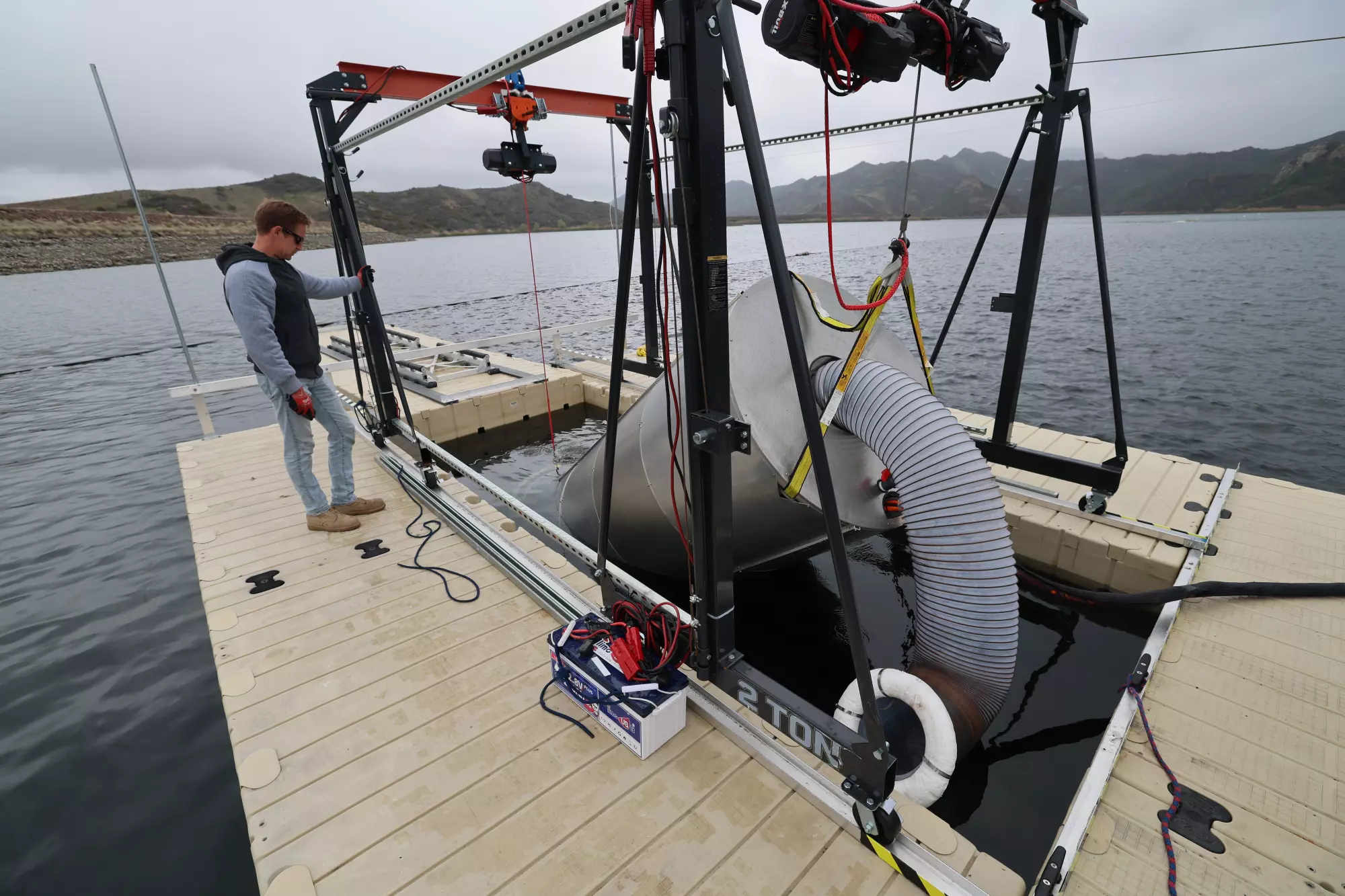
Perhaps most importantly, public perception of water may shift from abundance to scarcity. As this transformation occurs, water may emerge as one of the defining economic and environmental challenges of the twenty-first century. OceanWell is working to ensure both challenges are met with the provision of affordable and environmentally benign water.
References
Global Water Scarcity Statistics. https://gitnux.org/global-water-scarcity-statistics/
Global Water Scarcity Statistics Report. https://wifitalents.com/global-water-scarcity-statistics/
United Nations University. Water Scarcity Coming Soon. https://unu.edu/article/water-scarcity-coming-soon
World Water Council. 2050 Water Supplies to Dwindle in Parts of the World. https://www.worldwatercouncil.org/en/2050-water-supplies-dwindle-parts-world-threatening-food-security-and-livelihoods
Chicago Council on Global Affairs. From Scarcity to Security: Managing Water for a Nutritious Food Future. https://globalaffairs.org/research/report/scarcity-security-managing-water-nutritious-food-future
Reuters. Looming Water Supply Bankruptcy Puts Billions at Risk. https://www.reuters.com/sustainability/climate-energy/looming-water-supply-bankruptcy-puts-billions-risk-un-report-warns-2026-01-20/
The Times. UK Water Bills Could Hit £2,000 by 2050. https://www.thetimes.co.uk/article/water-bills-ofwat-news-lgtlwk0nv
Statista. Where Water Stress Will Be Highest by 2050. https://www.statista.com/chart/26140/water-stress-projections-global/




Heading