

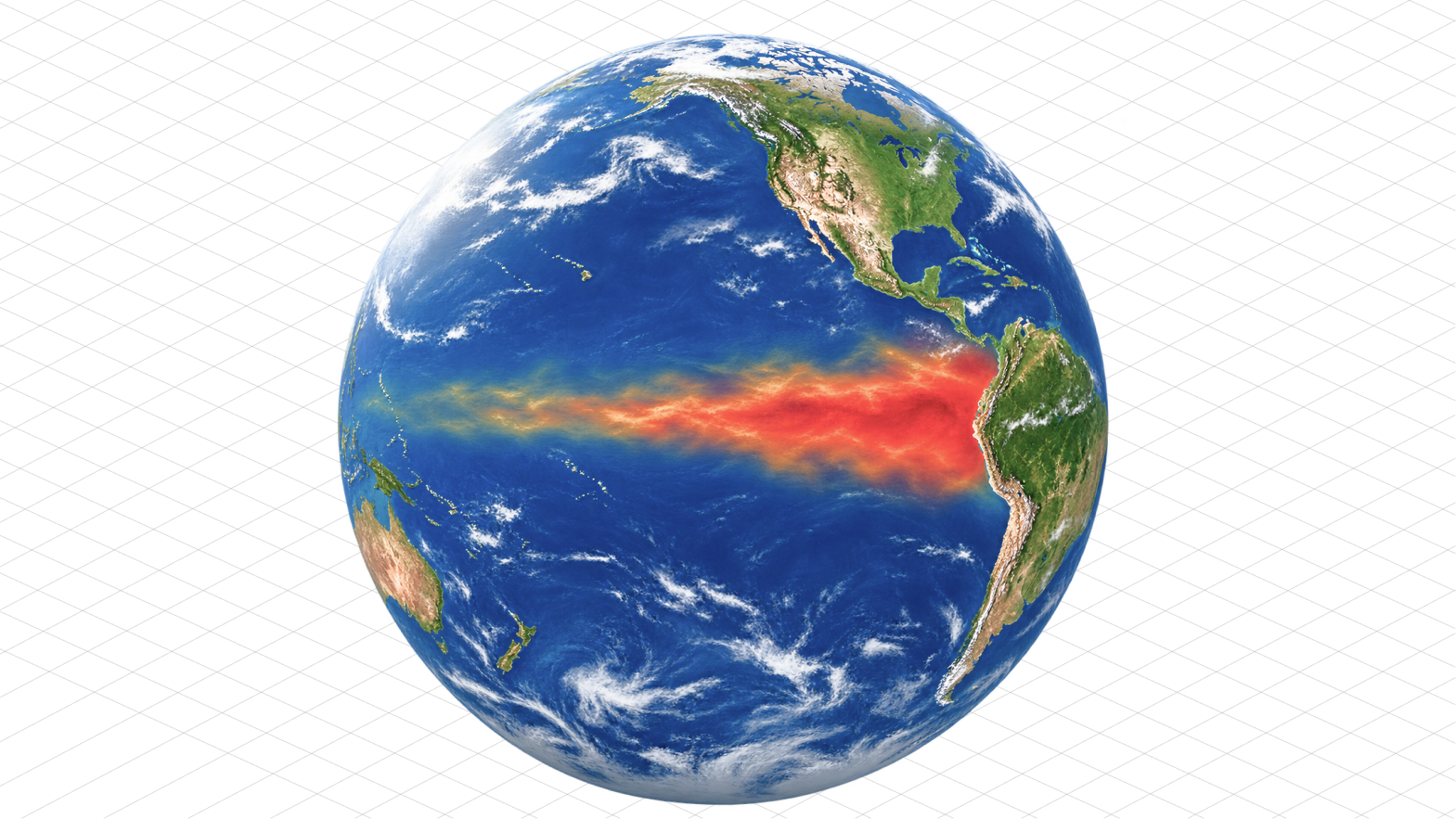
California expects higher rainfall this year, thanks to a “super” or “Godzilla” El Nino
California expects higher rainfall this year, thanks to a “super” or “Godzilla” El Nino


In California, a wet winter is never a promise about next year. We swing from atmospheric rivers to emergency conservation orders, sometimes within a single planning cycle. Water managers have done remarkable work stretching every drop through those swings. But the next dire year is coming, and the tools that carried us this far were built for a more predictable climate.
The question is no longer whether California needs new sources of water. It is whether we are willing to adopt them before the next extreme forces our hand.
Dire years are getting harder to plan around
Most of Southern California's water travels hundreds of miles to reach the tap, from the Sierra snowpack through the Bay-Delta or from the Colorado River. When drought hits those sources, cuts ripple down to every community that depends on them. Groundwater can bridge the gap for a while, but basins drawn down in dry years take a long time to recover.
That leaves utilities managing risk they cannot control. Conservation remains essential, and recycled water and storage are vital tools. Yet none of them create a new supply that is independent of rainfall. In a truly dire year, that independence is what communities need most.
Why waiting is the riskiest option
The water sector is right to be careful. Utilities answer to ratepayers, and a new supply has to be safe, reliable, and affordable before it reaches a single home. But caution can quietly become delay, and delay has a cost of its own.
New water infrastructure takes years to permit, finance, and build. A project that starts after a drought is declared will not deliver water until long after that drought has passed. The communities that weather the next dire year best will be the ones that began investing in new supply during the wet years in between.
Embracing new technology does not mean abandoning what works. It means adding options to the portfolio while there is still time to test, refine, and scale them responsibly.
Increasing volatility requires a long-term mindset
Waiting for extreme weather patterns every 4 years is not sustainable and California knows it. California has always met its water challenges by building boldly, from the aqueducts of the last century to the recycling and storage projects of this one. The next chapter calls for the same willingness to try something new and to think in 20, 30, 100 year horizons.
The best time to prepare for a dire water year is before it arrives. By embracing proven science in a new setting, and by building it alongside the agencies and communities it will serve, we can add a source of water that holds steady no matter what the sky delivers.
Part of what makes California’s water supply so hard to plan around is El Niño. El Niño is a periodic warming of surface water in the equatorial Pacific. It shifts the jet stream and has historically steered more winter storms toward California, especially Southern California. Two of the state’s wettest winters on record, 1982–83 and 1997–98, came during strong El Niño events. But El Niño doesn’t guarantee a wet year. The record-strong El Niño of 2015–16 was expected to end the drought and instead brought a normal-to-dry year. Meanwhile, 2017 and 2023 brought heavy rain during La Niña years that were forecast to be dry. Researchers now see atmospheric rivers as the wildcard: a few powerful storms can make a year wet, and their absence can make it dry, whatever the Pacific is doing. For water managers, that means wet years will keep coming, but never on a schedule anyone can count on.
Even when the wet years come, much of that water is lost. When storms hit back to back, the ground becomes saturated and can’t absorb any more. Rain then runs off into rivers, storm drains and eventually the Pacific instead of recharging groundwater or filling reservoirs. In urban Southern California, most rainfall flows straight to the ocean. The Pacific Institute has estimated that better stormwater capture could add at least 420,000 acre-feet a year to the state’s supply. That runoff isn’t clean, either. The first big storms of the season wash months of built-up bacteria, trash, heavy metals and oil from streets and parking lots to the coast. In Southern California, storm drains are separate from the sewage system, so this water reaches the ocean untreated. That’s why health officials tell people to stay out of the water for at least three days after it rains. Heavy rain is not the same as reliable water, and it can cost the ocean along the way.
A drought-proof supply from the deep ocean
The Pacific does not have dry years. That is the simple idea behind OceanWell's subsea approach to water production.
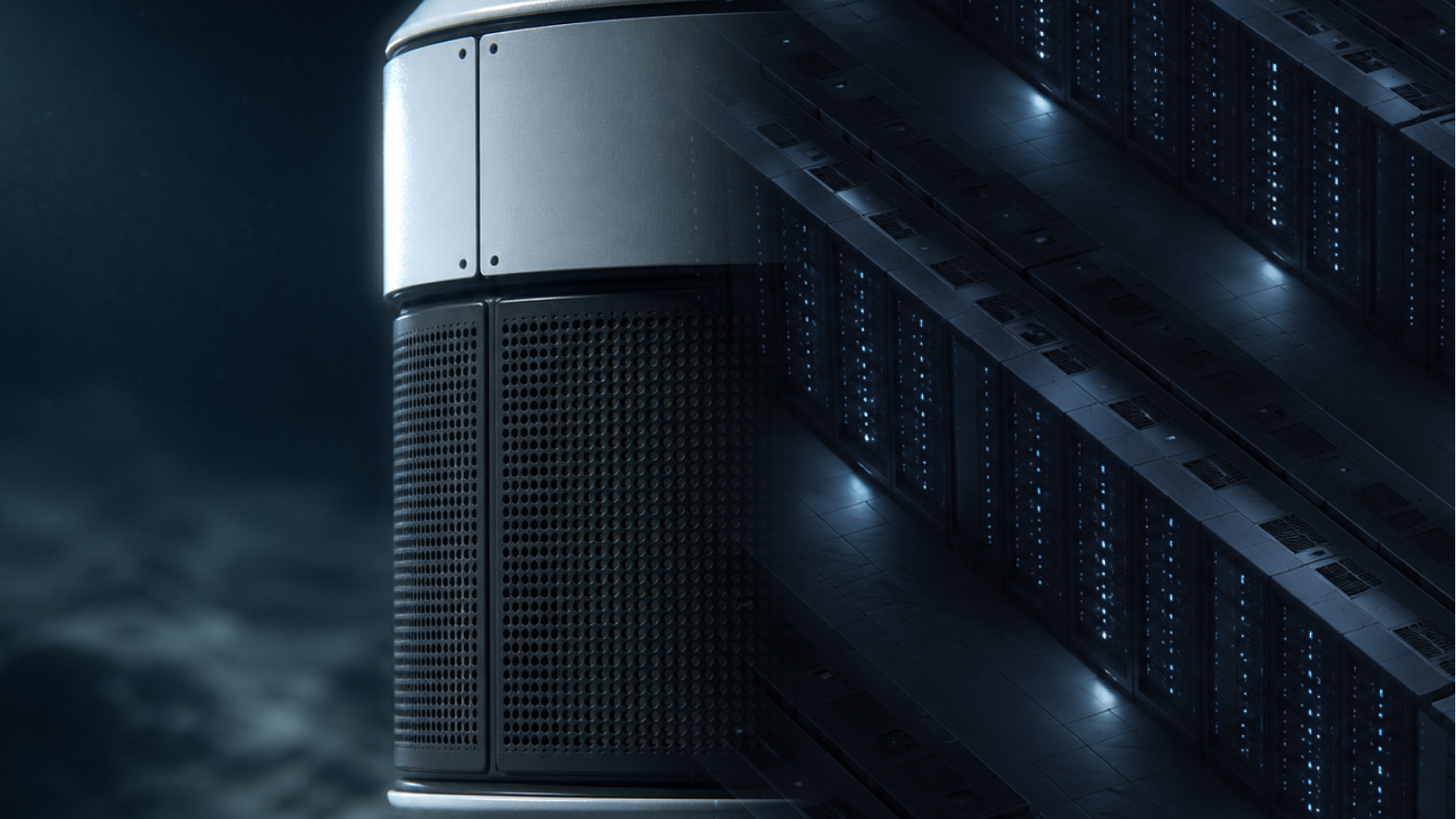
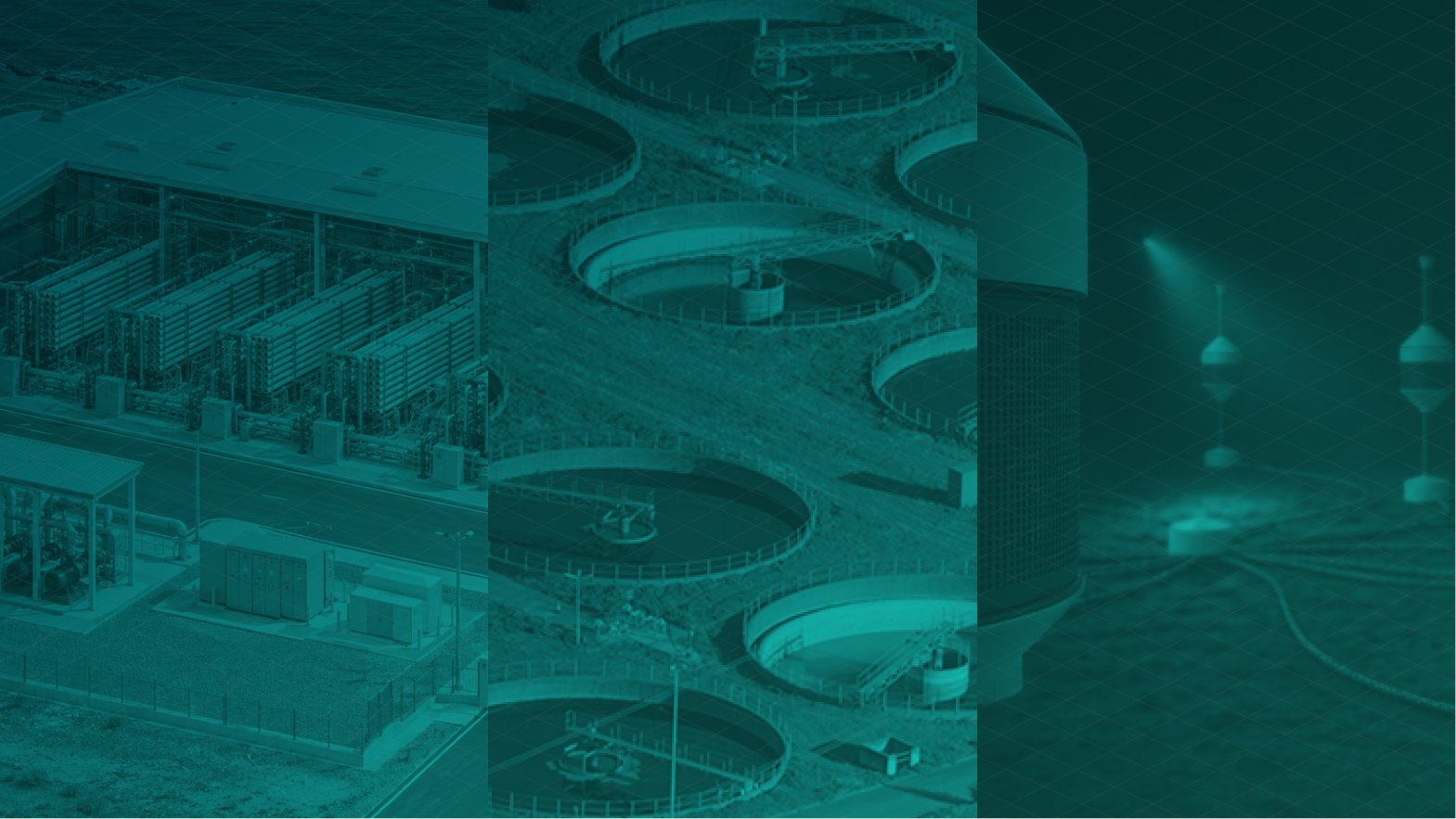
Instead of building a large plant on the coastline, OceanWell places modular pods on the seafloor at about 400 meters (1,300 feet). At that depth, the ocean's natural pressure drives reverse osmosis, so the system needs far less energy to push seawater through its membranes. The company estimates energy use up to 40% lower than conventional land-based desalination. Each pod can produce up to one million gallons of fresh water a day, which travels to shore through a shared pipeline.
The design also responds to the concerns that have long slowed desalination in California:
- Marine life: the pods sit in deep water with little sunlight or marine life, and their intake system is designed to return small organisms to the surrounding water unharmed.
- Brine: with no concentrated brine discharge at the shoreline, the environmental footprint looks very different from a traditional plant.
- Coastal land: there is no large industrial facility on the beach, which preserves coastal views and habitat.
- Scalability: because the pods are modular, a water farm can start smaller and grow as demand and confidence grow.
Water Farm 1, planned about 4.5 miles off the coast of Malibu, is designed to deliver up to 60 million gallons per day once fully built out, a new supply that does not depend on snowpack, river flows, or rainfall.
To learn more about Water Farm 1 visit : https://www.oceanwellwater.com/water-farm-one
References
- AquaTech. First U.S. subsea reverse osmosis project in California. https://www.aquatechtrade.com/news/desalination/subsea-reverse-osmosis-project-us-first-california
- Benzinga. Startup bets on deep-sea reverse osmosis to solve California's drought. https://benzinga.com/news/topics/25/09/47488983/this-startup-bets-on-deep-sea-reverse-osmosis-to-solve-californias-drought-targeting-commercial-use-b
- Valve World Americas. OceanWell advances U.S. subsea reverse osmosis desalination project. https://valve-world-americas.com/?p=128002
- KTAR News. Desalination startup OceanWell. https://ktar.com/arizona-water-news/desalination-startup-oceanwell
- Fertilizer Daily. OceanWell pushes forward with deep-sea desalination technology. https://www.fertilizerdaily.com/20260619-oceanwell-pushes-forward-with-deep-sea-desalination-technology-as-water-scarcity-becomes-a-bigger-concern/md/


Heading