

Water Security Starts By Having More Than One Source
Water Security Starts By Having More Than One Source


Building a More Resilient Water Supply Portfolio
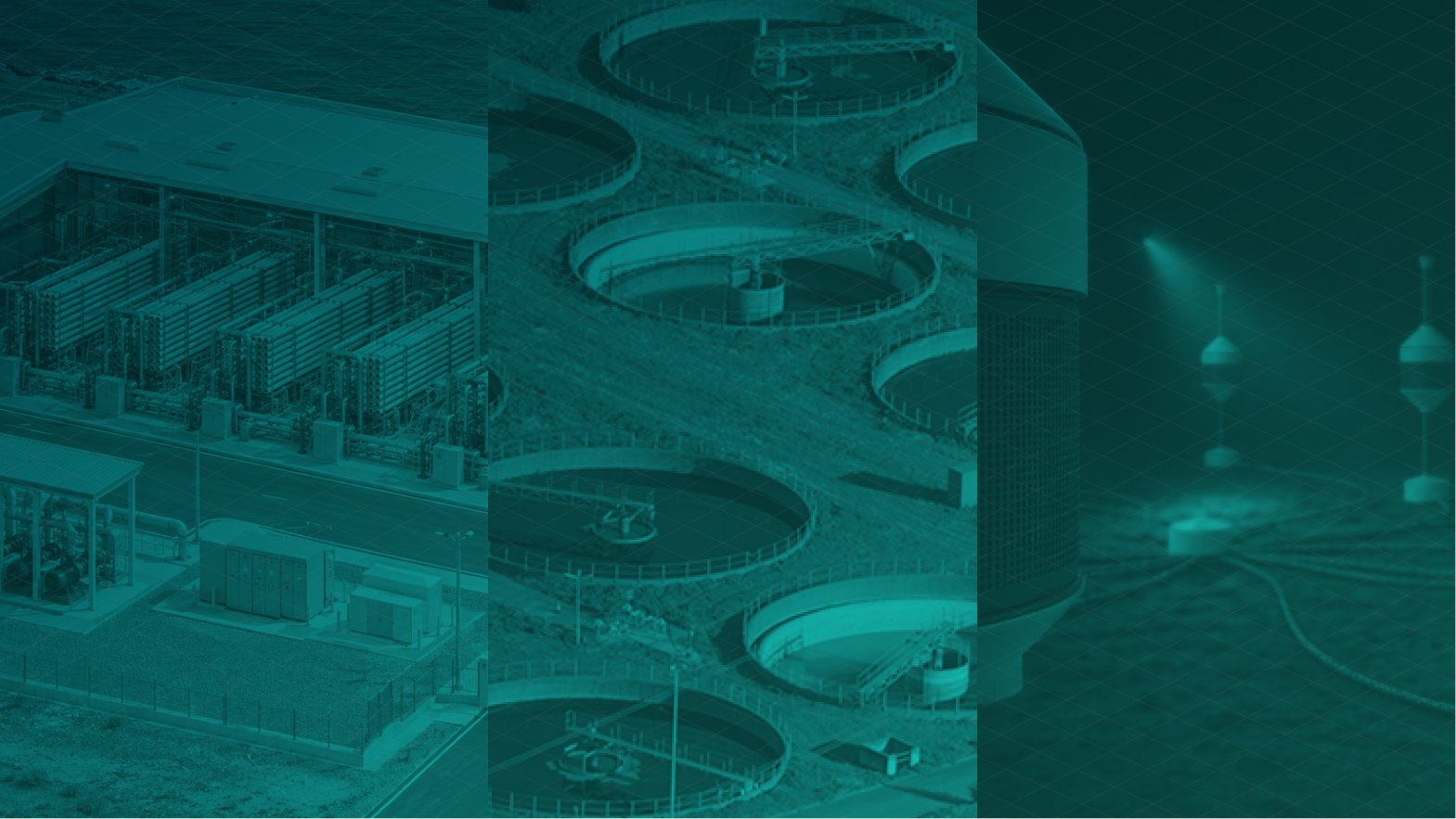
Just as communities diversify their energy sources, water managers are increasingly required to strengthen their resiliency by developing multiple sources of supply. Conservation, recycled water, stormwater capture, groundwater management, and desalination can each play a role, depending on local conditions.
The U.S. Environmental Protection Agency identifies water reuse as an important way to strengthen water security and resilience. Reclaimed water can serve a range of purposes, from industrial applications and irrigation to drinking water when appropriately treated and regulated.
However, no single approach is suitable for every community. Water availability, infrastructure, environmental considerations, treatment requirements, and cost all influence which solutions make sense.
For coastal communities, seawater represents an abundant potential source of freshwater. Desalination can help diversify supplies that might otherwise depend heavily on rainfall, rivers, reservoirs, or groundwater. Its success, however, depends on responsible engineering, energy efficiency, environmental protection, and thoughtful integration into existing water systems.
A Role for Subsea RO
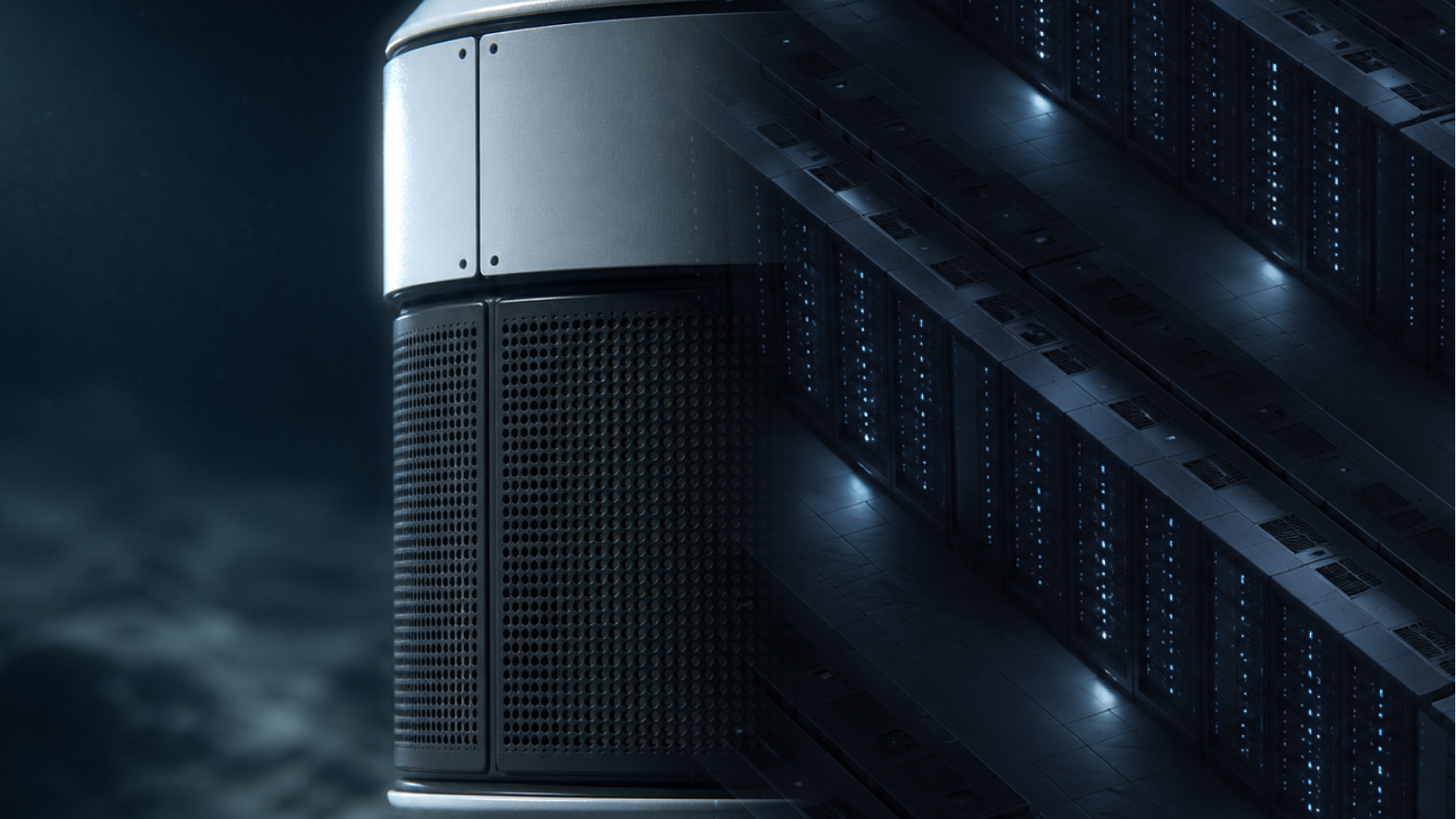
OceanWell is developing a subsea reverse osmosis approach that uses the natural pressure of the ocean at depth to drive the process. By placing Pods on the seafloor, the approach is designed to take advantage of ocean pressure rather than relying entirely on surface-based pressurization as traditional desalination does, which consumes significant amounts of energy.
The technology is intended to offer an alternative to traditional desalination configurations, with advantages in energy use, land requirements, marine life impact and brine management. Those benefits must be evaluated through engineering, environmental monitoring, and project-specific performance data as the technology advances toward deployment.
Stronger Water Systems Through Collaboration
OceanWell’s Water Farm 1 initiative in Southern California represents a step toward exploring how subsea RO could contribute to regional water reliability. Developed in partnership with Las Virgenes Municipal Water District and other water agencies, the project reflects the importance of collaboration between technology developers and the utilities responsible for delivering water to communities.
Developing new water infrastructure takes more than engineering. Utilities, regulators, researchers, local communities, and technology providers must work together to assess needs, protect ecosystems, plan infrastructure, and establish long-term operating requirements.
A diversified water portfolio is not about replacing existing sources. It is about reducing dependence on any single source, preventing depletion, and giving communities more options when conditions change.
As water demand and climate variability challenge traditional supply systems, the opportunity is to combine proven strategies with carefully evaluated innovations. By working alongside water agencies and other partners, OceanWell aims to help advance another potential source of reliable freshwater for coastal communities.
Water security will not come from one solution alone. It will come from planning ahead, investing responsibly, and building a stronger system together.
References
1. U.S. Environmental Protection Agency. “Water Reuse and Recycling.”
https://www.epa.gov/waterreuse
2. U.S. Environmental Protection Agency. “Drought Resilience and Water Conservation.”
https://www.epa.gov/water-research/drought-resilience-and-water-conservation
3. U.S. Environmental Protection Agency. “National Water Reuse Action Plan.”
https://www.epa.gov/waterreuse/national-water-reuse-action-plan
4. U.S. Geological Survey. “Water Availability in the U.S.: Water Use.”
https://water.usgs.gov/vizlab/water-availability/07-water-use



Heading