



The Real Cost of Streaming Not Bandwidth
The Real Cost of Streaming Not Bandwidth


The Other AI Water Story: Semiconductor Fabrication
Every server, GPU, and AI accelerator running in a data center began life in a semiconductor fabrication plant, or "fab." These facilities are some of the most water-intensive industrial operations on the planet.
Manufacturing semiconductors requires repeated ultra-pure water rinsing steps to clean silicon wafers between processing stages, removing chemical residues, particles, and contaminants at a microscopic scale. A single advanced fab can use millions of gallons of ultra-pure water per day, and producing that ultra-pure water itself requires multiple gallons of municipal water input for every gallon of usable ultra-pure water output, since impurities must be filtered out through reverse osmosis and deionization processes.
As chips become more advanced, with smaller transistors and more complex multi-layer designs, the number of rinsing and cleaning steps increases, driving water demand even higher. The industry's push toward more powerful AI chips means more fabrication capacity, and more fabrication capacity means more pressure on local water systems, many of which are already supporting agriculture, drinking water needs, and other industries.
This creates a growing sustainability question: How can society continue benefiting from digital innovation while protecting freshwater resources; at every stage, from chip manufacturing to data center operation?
Why Water Supply Matters in a New Water Insecure World
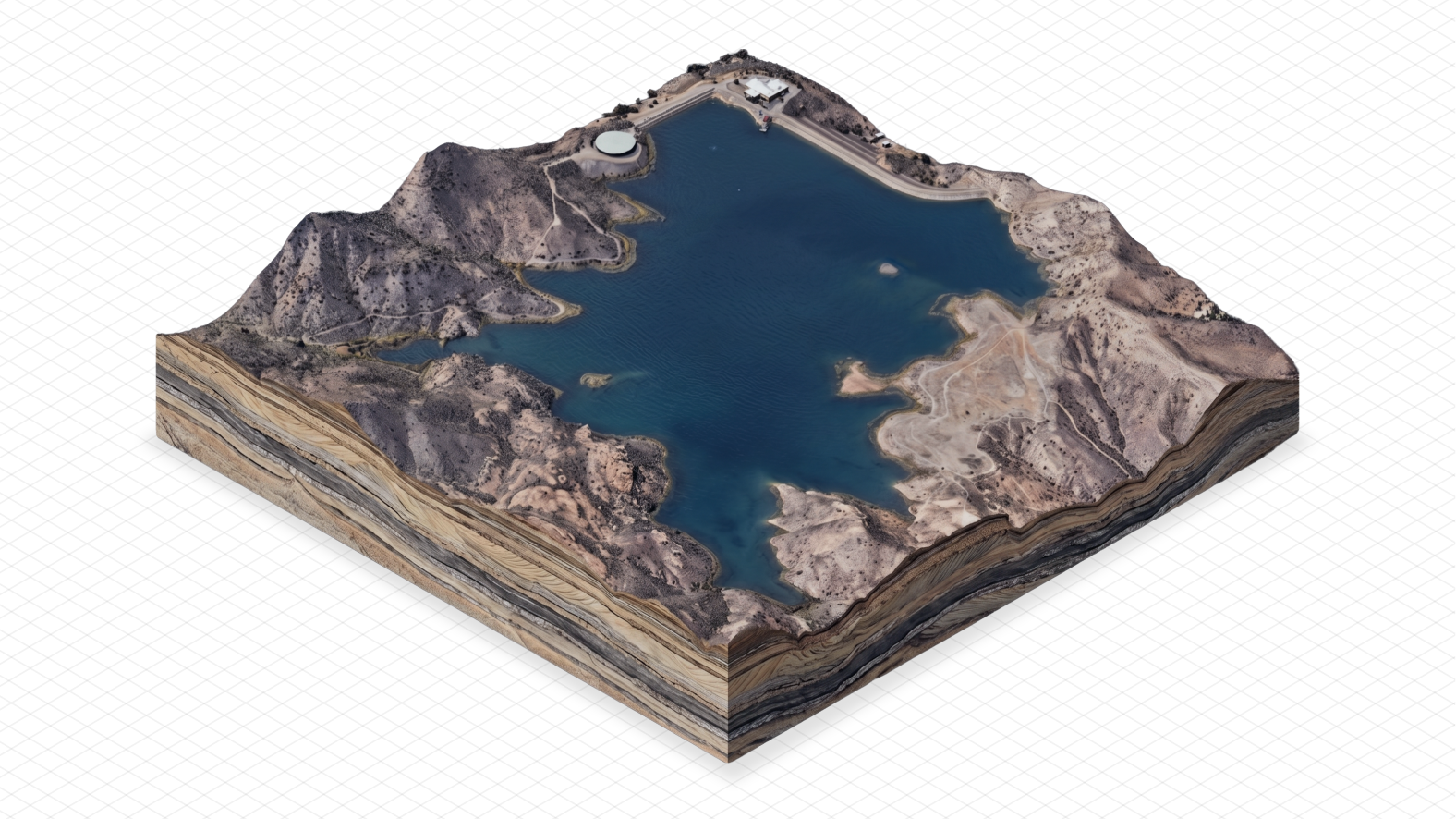
Many data centers and semiconductor fabs are located in regions already experiencing water stress. As demand for cloud computing, video streaming, AI services, and the chips that enable them all grows, communities and businesses alike will need reliable new sources of water that don't further strain rivers, reservoirs, and groundwater supplies.
That's where new water supply solutions can play an important role.
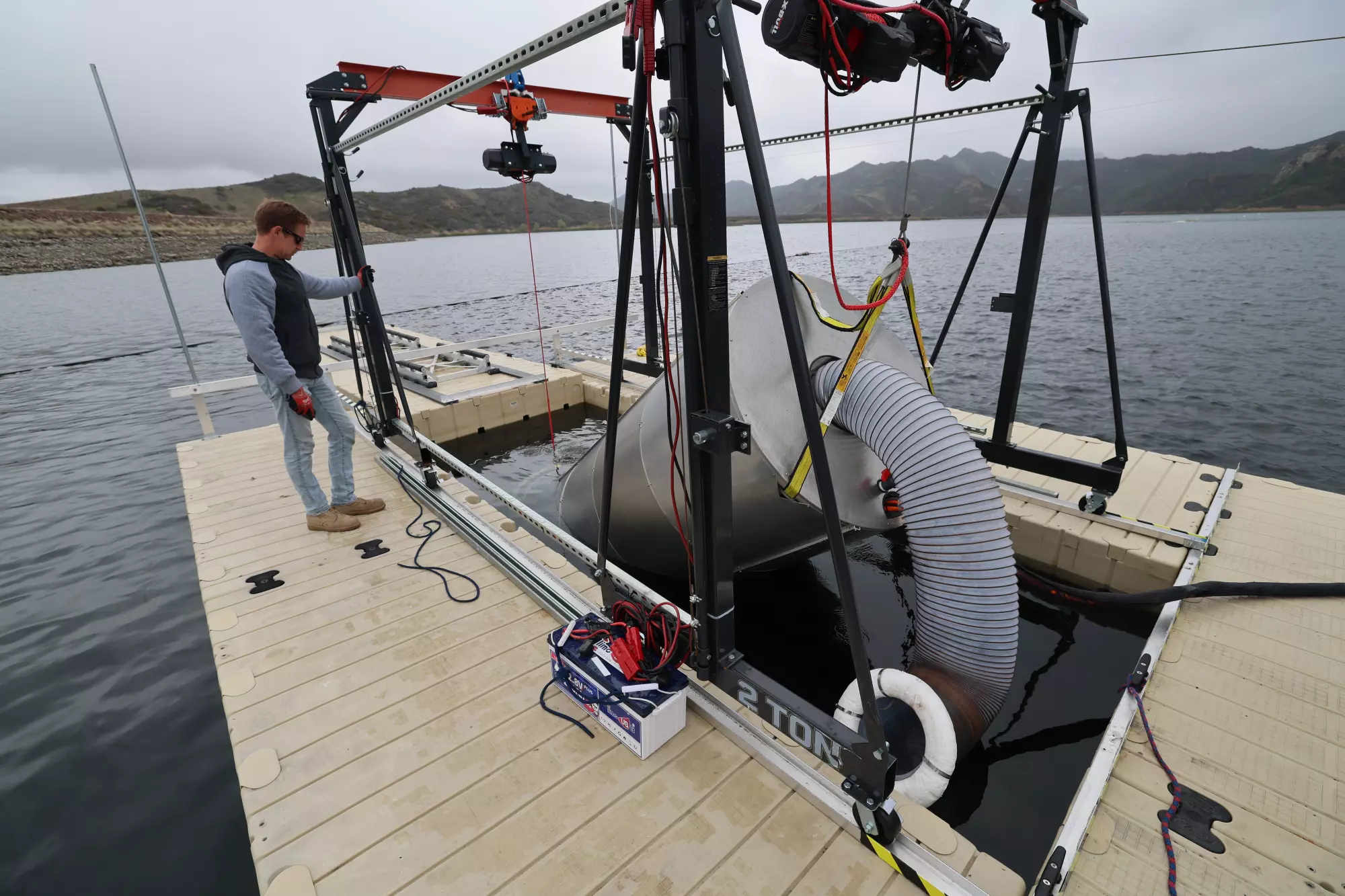
By creating new freshwater supplies from the ocean, innovative desalination technologies can help support economic growth—including chip manufacturing and data center expansion—while reducing pressure on traditional freshwater sources.
A Future Where Technology and Water Sustainability Coexist
The digital economy is expanding rapidly, and that growth depends on computing infrastructure, the semiconductor manufacturing that underpins it, and water infrastructure. While advances in fab water recycling and data center efficiency are helping reduce water use, long-term solutions will require investments in sustainable water supplies.
The cloud isn't floating in the sky—it is supported by physical infrastructure, beginning with the chip fabs that build its hardware, that depends on water.
As demand for digital services, the semiconductors that power them, and freshwater all continue to grow, developing resilient, sustainable water sources will be essential for supporting the technologies that power modern life.
As industries ranging from artificial intelligence to cloud computing to semiconductor manufacturing place increasing demands on freshwater resources, sustainable new water supplies are becoming essential. OceanWell's innovative deep-ocean desalination technology is designed to provide reliable, drought-proof and ultra pure freshwater while minimizing energy use and environmental impact. By tapping into the vast resources of the ocean, OceanWell can help communities, utilities, and industries—including chip fabs and data centers—secure the water they need to support future growth without placing additional strain on rivers, reservoirs, and groundwater supplies.
References
U.S. Department of Energy – Data Center Energy and Water Use: https://www.energy.gov/eere/buildings/data-centers-and-servers
Lawrence Berkeley National Laboratory – Data Center Water Consumption Research: https://eta.lbl.gov
University of California, Riverside – The Growing Water Footprint of Artificial Intelligence: https://news.ucr.edu
International Energy Agency – Data Centres and Digital Infrastructure: https://www.iea.org
World Resources Institute – Global Water Stress Map: https://www.wri.org/aqueduct



Heading