+




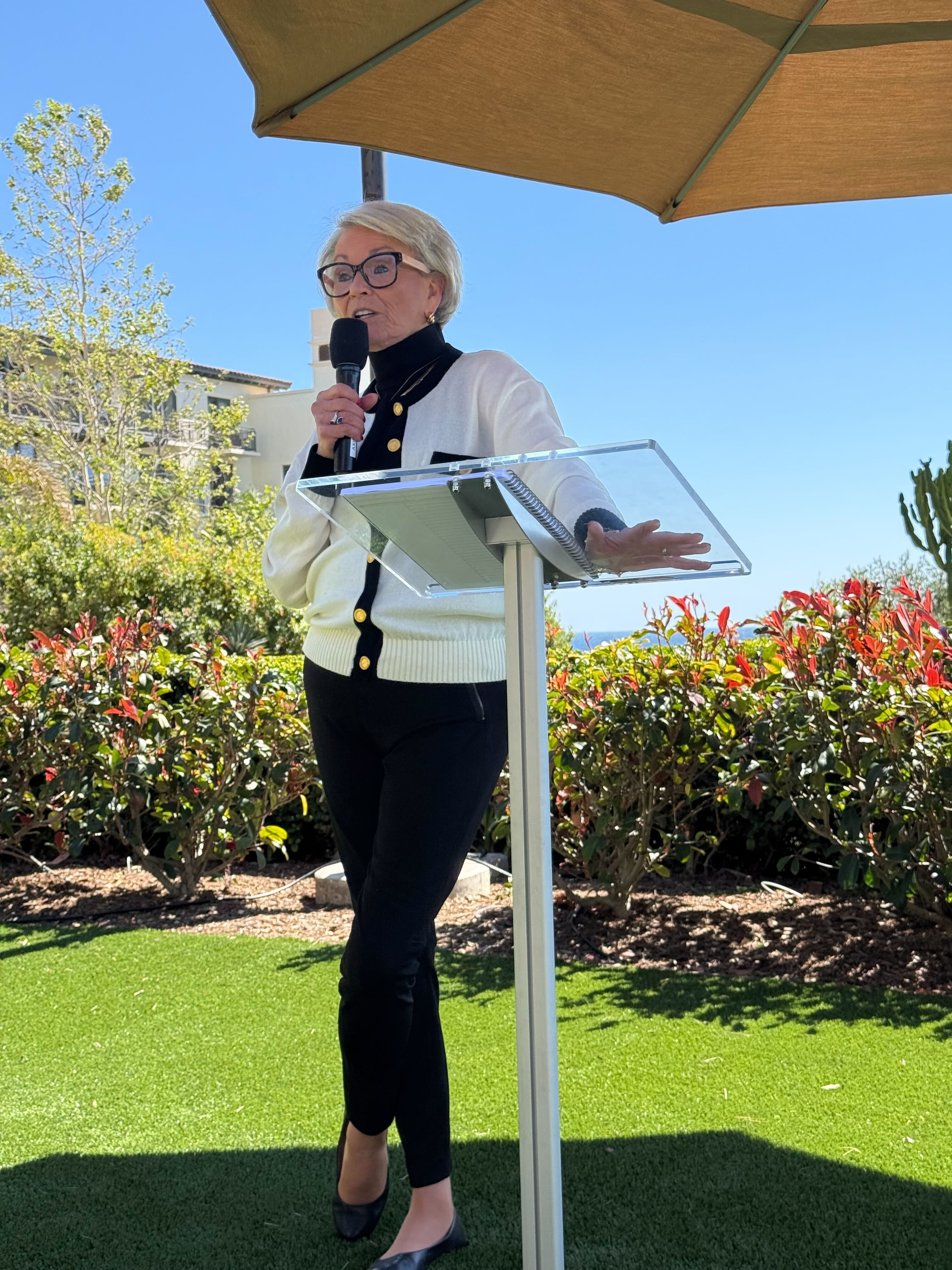
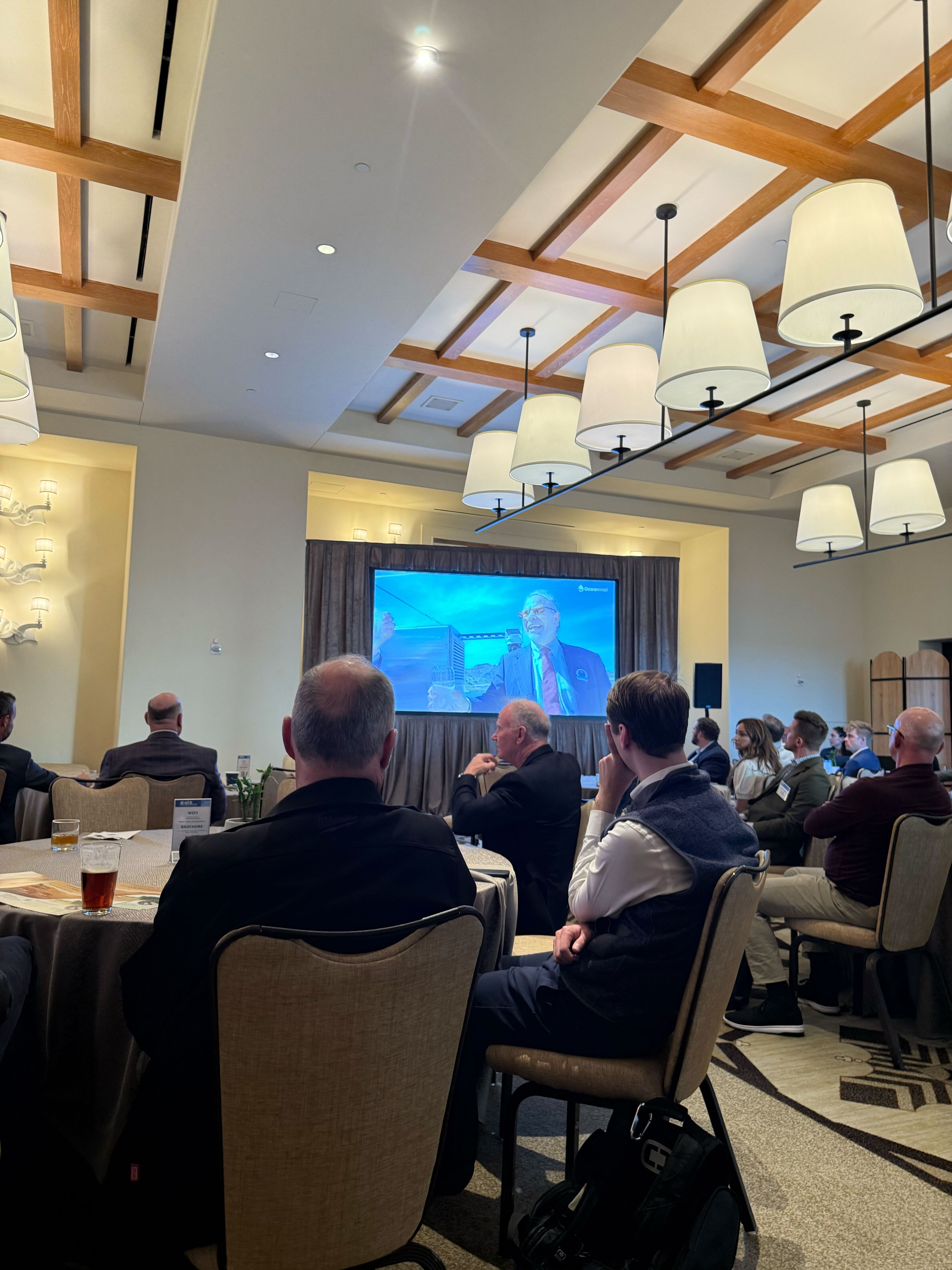
At the 2025 Sustainable Water Investment Summit, OceanWell hosted a focused panel on a single premise: water is economically misvalued, and that misvaluation is now a material constraint on growth, resilience, and capital deployment. Moderated by OceanWell CEO Robert Bergstrom, the discussion was grounded in OceanWell’s joint work with Boston Consulting Group on What Is Water Really Worth? and examined why existing pricing and policy frameworks fail to reflect water’s true economic, environmental, and strategic importance.
.png)
.png)
Water enables economic activity across nearly every sector, yet its price rarely reflects scarcity, risk, or system-wide impact. As climate volatility increases and demand accelerates—driven by population growth, industrial reshoring, AI, and data center expansion—this disconnect is widening. The panel examined how legacy pricing structures and narrow cost-recovery models suppress investment signals, distort consumption behavior, and contribute to chronic underinvestment in infrastructure and innovation.
At SWIS 2024, OceanWell moderated a panel built around a simple but uncomfortable premise: Water creates value and dissolves conflict wherever it goes. We all know we need more water. So why is it still so hard to finance water supply innovation? And why do we even need an annual summit to talk about this?At first glance, the timing should be ideal. Climate and cleantech capital is abundant. Yet projects bringing new water supply from concept through deployment continue to stall. The issue is not demand. It is not even a lack of capital. It is the absence of a coherent, well-lit pathway through the water capital stack.





Despite record levels of climate and infrastructure funding, water innovation remains capital-constrained in practice. Large pools of capital exist—public, private, and philanthropic—but they are poorly connected across stages.Seed capital, venture, non-dilutive funding, private equity... each stage prices risk differently and often expects the next to absorb it. The result is a maze—one that many water innovators struggle to navigate just to survive long enough to reach revenue.
Early capital exists. Later capital exists. What is missing is confidence at the transition points.Every stage expects the next one to take the risk. That’s where projects die.
Grant and non-dilutive funding are critical for early de-risking, but they are not designed to finance through deployment.
With fragmented capital sources and long project timelines, navigating finance has become as complex as building the technology itself.
Many successful water projects rely on proven technologies. Market, permitting, execution, and financing risk frequently dominate
Despite massive grant funding, water attracts a small share of climate capital. The absence of large, visible exits continues to suppress risk appetite.
Hybrid models blending startups with structured finance
Water is essential. Demand is unquestionable. Scarcity is real. Yet water innovation remains underfinanced because capital pathways are fragmented. This panel reframed water not as a technology problem, but as a capital coordination problem. Until financing structures evolve, water will remain scarce yet under-deployed.
Water’s immediate economic use across households, municipalities, agriculture, industry, energy, and recreation.
Ecosystem services enabled by water systems, including biodiversity, flood protection, groundwater recharge, and climate regulation.
The strategic value of preserving water availability for future growth, climate adaptation, and resilience.



At the 2025 Sustainable Water Investment Summit, OceanWell hosted a focused panel on a single premise: water is economically misvalued, and that misvaluation is now a material constraint on growth, resilience, and capital deployment. Moderated by OceanWell CEO Robert Bergstrom, the discussion was grounded in OceanWell’s joint work with Boston Consulting Group on What Is Water Really Worth? and examined why existing pricing and policy frameworks fail to reflect water’s true economic, environmental, and strategic importance.


.avif)
Water enables economic activity across nearly every sector, yet its price rarely reflects scarcity, risk, or system-wide impact. As climate volatility increases and demand accelerates—driven by population growth, industrial reshoring, AI, and data center expansion—this disconnect is widening. The panel examined how legacy pricing structures and narrow cost-recovery models suppress investment signals, distort consumption behavior, and contribute to chronic underinvestment in infrastructure and innovation.
When water’s value is understated, infrastructure projects appear uneconomic, returns are difficult to justify, and both public and private capital hesitate—creating a persistent funding gap.
Pricing models focused solely on delivery cost fail to account for water’s role in enabling economic output, supporting ecosystems, reducing climate risk, and preserving future optionality.
Correct valuation does not imply exclusion. It enables pricing and policy mechanisms that preserve access while ensuring systems remain investable and sustainable.
Data shows that regions experiencing the greatest water stress often maintain the lowest prices. These structures mute scarcity signals and delay investment precisely where resilience is most needed.
Where water is priced to reflect true value, investment follows—into efficiency, reuse, alternative supply, and next-generation technologies capable of expanding supply without exhausting local resources.
Water security is not constrained by engineering alone. It is constrained by valuation.
By mid-century, a significant share of global economic output will sit in water-stressed regions. Without a shift in how water is valued, investment will continue to lag risk. This panel reflected OceanWell’s position that valuation is the gating function. Until water’s true value is recognized, resilience, innovation, and long-term security will remain underfunded.
Water’s immediate economic use across households, municipalities, agriculture, industry, energy, and recreation.
Ecosystem services enabled by water systems, including biodiversity, flood protection, groundwater recharge, and climate regulation.
The strategic value of preserving water availability for future growth, climate adaptation, and resilience.




Industry experts and technology leaders have identified a critical challenge: the mounting pressure on utilities to fund new projects while keeping rates manageable. This year, SWIS focuses on the financial architectures required to solve it.





Utilities face mounting pressure to fund new projects while keeping rates manageable. Smaller systems are especially vulnerable, amplifying the need for innovative funding models and public-private partnerships.
Water is increasingly viewed as both an essential resource and a complex financial asset. The summit serves as the bridge between institutional capital and sustainable water solutions.
Water is increasingly viewed as both an essential resource and a complex financial asset. The summit serves as the bridge between institutional capital and sustainable water solutions.















.jpg)